
The conveyor chain is an indispensable wearable component of rice harvesters, undertaking key tasks such as crop feeding and material conveying. It plays a decisive role in the overall working efficiency and operational stability of harvesting equipment. Rice harvesters always operate in harsh field environments filled with mud, straw residues and dust, and the long-term high-load operation will inevitably cause conveyor chain problems including wear, elongation, corrosion and increased assembly clearance. Neglecting daily inspection and timely replacement will easily lead to equipment blockage, abnormal operating noise, chain skipping and unexpected shutdowns during the busy harvest season. Reasonable and standardized maintenance of the harvester conveyor chain is crucial for reducing equipment downtime, lowering maintenance costs and ensuring stable farming production.
Scientific and regular inspection is the premise to eliminate hidden chain failures. Operators need to conduct comprehensive visual inspection before and after each operation to check for chain deformation, rust, cracked link plates and loose or damaged pins. Chain elongation is the most intuitive and accurate wear judgment indicator. Once the chain elongation rate reaches 2%, the matching performance between pins and sleeves completely fails, and the chain cannot mesh with sprockets stably anymore. Excessively loose chain links and obvious swing clearance are also typical symptoms of severe wear. Meanwhile, synchronous inspection of matched sprockets and guide rails is necessary. Seriously worn sprockets will aggravate the wear of newly installed chains and cause premature component failure.
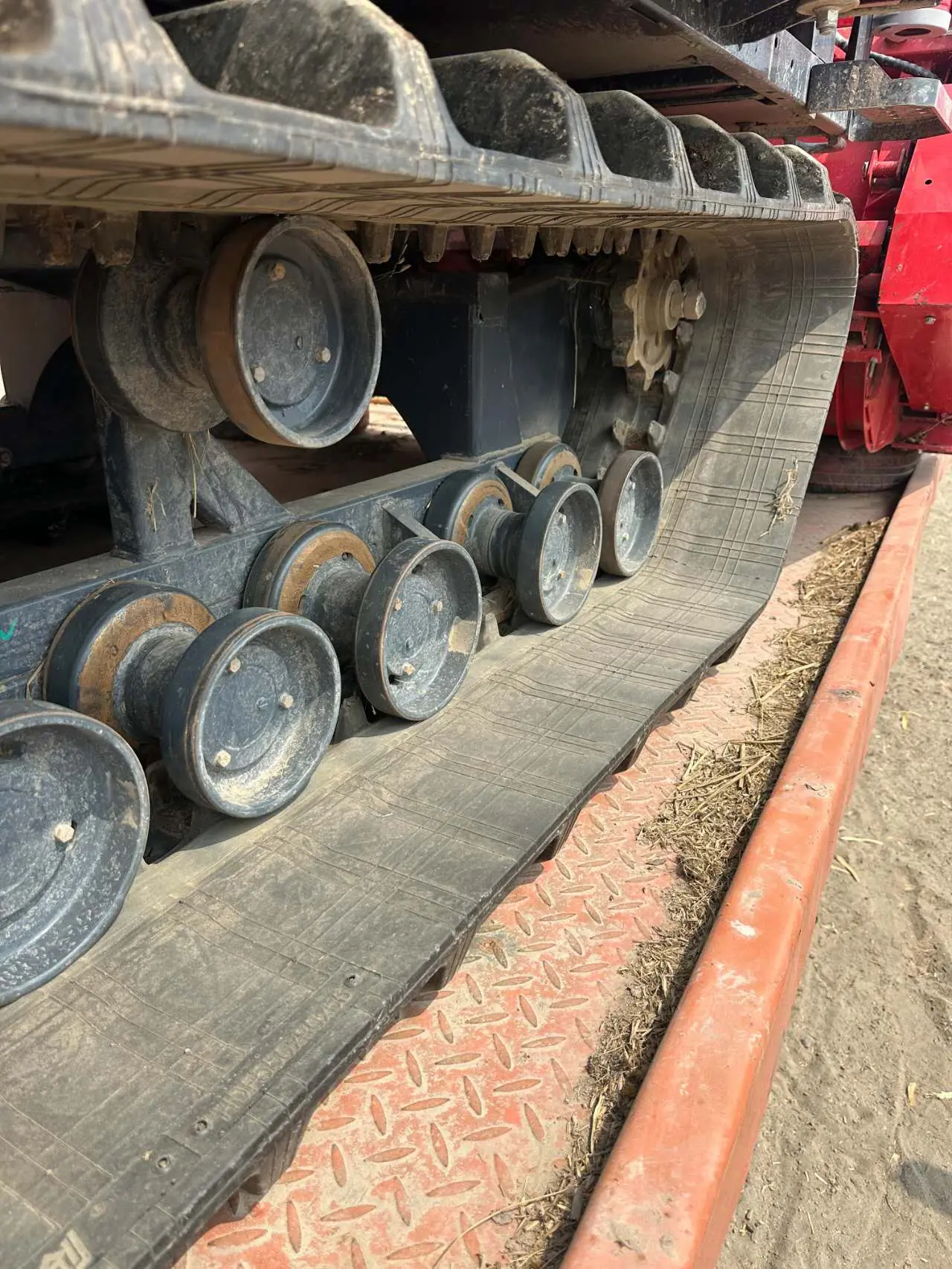
Standard disassembly and installation procedures are the key to guaranteeing maintenance quality. Before all maintenance operations, operators must completely shut down the equipment, cut off the power supply and release hydraulic pressure to eliminate potential safety hazards. Loosen the chain tensioning mechanism to fully relax the chain, then remove the connecting pin and dismantle the worn conveyor chain. Thoroughly clean straw, mud and dirt inside the equipment cavity to provide a clean operating environment for new parts. When installing a new conveyor chain, strictly select products consistent with the original specification and pitch. After winding the chain on the upper and lower sprockets correctly, install the connecting plate and circlip, ensuring the circlip opening faces opposite to the chain operating direction.
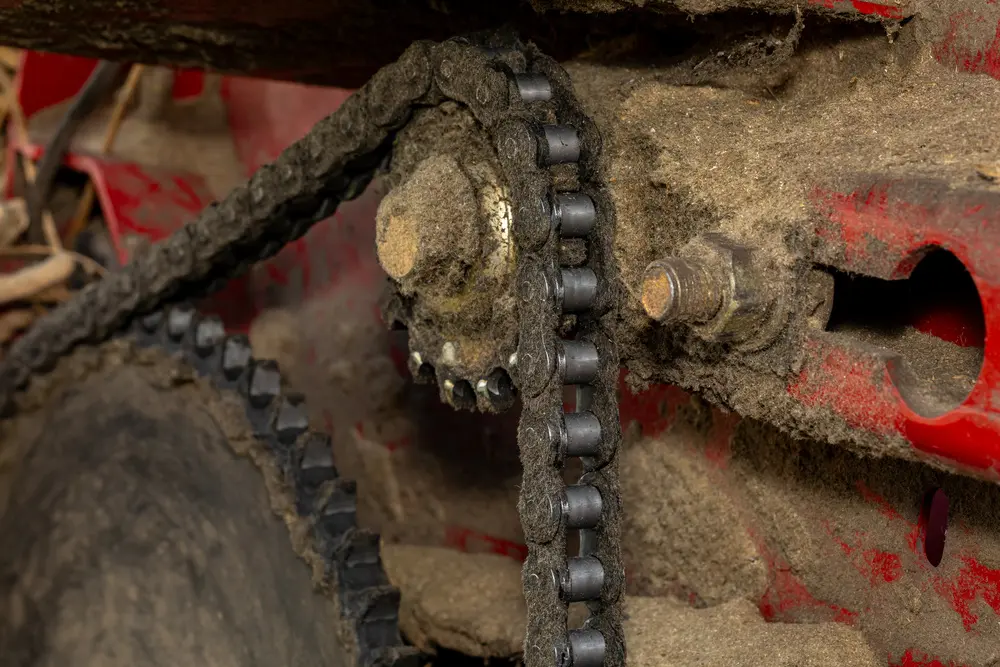
Long-term stable operation also relies on standardized daily maintenance. After each field operation, clean the mud and straw attachments on the chain surface and apply special lubricant regularly to reduce friction and prevent rust corrosion. Avoid long-term equipment overload operation and prolonged contact with corrosive muddy water. In conclusion, regular wear inspection, timely standardized replacement and meticulous daily maintenance can effectively reduce the failure rate of harvester conveyor chains, save equipment maintenance costs, and maintain efficient and stable operation of rice harvesters throughout the harvest season.