
Bangladesh, the world’s fourth-largest rice producer, is undergoing a mechanization revolution. With over 15 million hectares of rice fields, acute labor shortages, and government subsidies up to 70% for farm machinery, the rice harvester market is expanding rapidly. As a key Chinese brand, LOVOL is well-positioned to capture growth by delivering climate-adapted, reliable, and affordable machines tailored to Bangladesh’s unique farming conditions.
Bangladesh Rice Harvester Market: Key Trends & Drivers
1. Surging Demand for Mechanization
- Labor Crisis: Rural workers shifting to urban jobs have doubled harvesting costs since 2020.
- Yield & Loss Reduction: Harvesters cut waste from 12% (manual) to <5%, saving 1M+ tons of rice yearly.
- Massive Potential: Only ~3,000 harvesters operate nationwide; demand exceeds 30,000 units.
2. Government Support & Policy Tailwinds
- High Subsidies: Up to 70% subsidy for rice harvesters, making ownership accessible.
- Food Security Focus: National priorities to boost rice output and reduce post-harvest losses.
- Import Reliance: 90% of harvesters imported, with China dominating supply.
3. Competitive Landscape: China vs. Global Brands
- Chinese Brands (LOVOL, etc.): 90% market share, offering low cost, easy maintenance, and local adaptation.
- Japanese/Korean Brands: Premium pricing (2–3× higher), limited service networks.
- Local Manufacturers: No large harvester production; focus on small parts and low-tech tools.
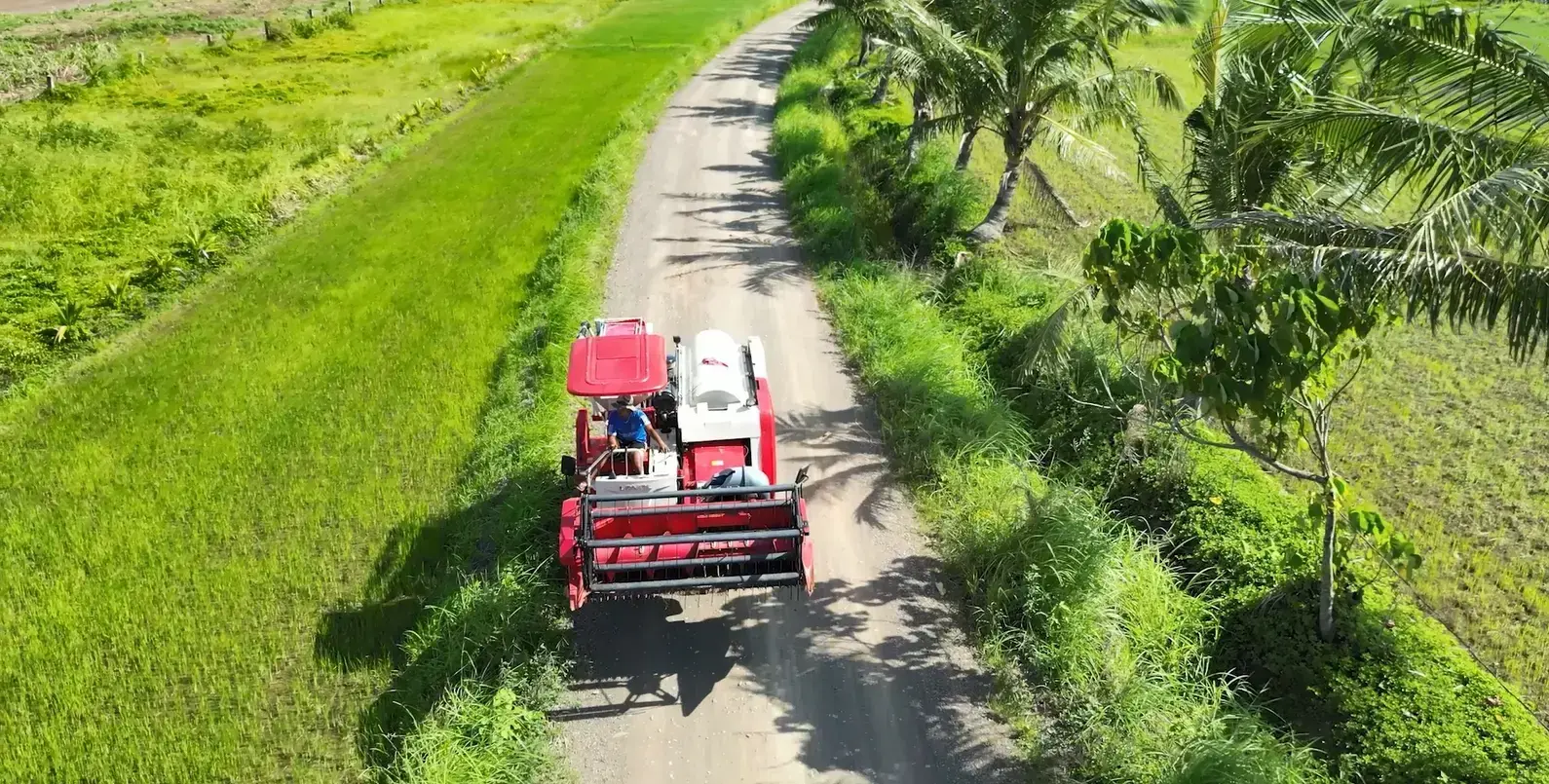
LOVOL’s Edge in Bangladesh’s Rice Harvester Market
1. Climate-Engineered for Bangladesh
- Heat & Humidity Resistant: Reinforced components and anti-corrosion coating for 40°C+ temperatures and heavy rains.
- Wet-Field Optimized: Deep treads, lightweight design, and strong traction for muddy paddy fields.
2. Cost-Effective & High Efficiency
- Affordable Pricing: 30–50% cheaper than Japanese rivals, ideal for small-to-medium farms.
- Labor Savings: One LOVOL harvester replaces 20+ workers, cutting costs by ~50% per acre.
- Fuel Efficiency: Advanced engines reduce consumption by 15–20% vs. older models.
3. Strong Local Support & Service
- 48-Hour Response: Dedicated service teams across key rice-growing regions.
- Genuine Parts Network: Easy access to spare parts, minimizing downtime.
- Farmer Training: Free on-site workshops for operation and maintenance.
Challenges & Future Outlook
Key Challenges
- Small Land Holdings: 80% of farms <1 hectare; demand for compact, versatile machines.
- After-Sales Gaps: Some brands lack reliable service, hurting user trust.
- Funding Barriers: Even with subsidies, many farmers need flexible financing.
Future Growth (2025–2030)
- Market Size: Projected to reach $80M+ by 2030, growing at 12% CAGR.
- Smart Farming Rise: Demand for GPS-guided, semi-autonomous harvesters will increase.
- LOVOL Expansion: Target 25% market share by 2027 via new model launches and dealer network growth.
Conclusion
Bangladesh’s rice harvester market is in a golden growth phase, driven by labor shortages, policy support, and the need for higher productivity. LOVOL, with its durability, affordability, and local service focus, is the preferred partner for farmers looking to modernize. As the market evolves, LOVOL will continue to deliver innovative solutions that power Bangladesh’s rice bowl.